A Concise Retrospective at the Olsen Twins’ Quiet Luxury House: The Row
Mary-Kate and Ashley Olsen did not set out to become the reigning architects of quiet luxury when they founded The Row in 2006. The label emerged from a personal frustration: the twins, already veterans of the entertainment industry since childhood, wanted a white t-shirt that actually fit well and lasted. That search for the perfect basic became the founding principle of a brand that now sits at the top of the fashion hierarchy, commanding prices and waitlists that rival houses with a century more history behind them.
The name itself serves as both a low-key jest and a sincere nod. The Row owes its name and ethos to Savile Row, the London street long associated with bespoke tailoring.. Rigor, discipline, and craftsmanship placed above logos or fleeting fads. Close to twenty years later, that core principle has remained steady, even as the brand has branched out into ready-to-wear, footwear, and the accessories category that arguably built its cult status: the row bags.
A Astronomically Valued Aesthetic Born from Basic Essentials
the brand’s early years were marked by modesty that was entirely intentional.
The sisters built from t-shirts and cashmere, slowly building a wardrobe of essentials before bringing in tailoring, outerwear, and eventually accessories.
The Row’s industry standing had become considerable by the early 2010s: capturing the CFDA’s Womenswear Designer of the Year award in 2012 was a rare honor for so young a label, confirming that the industry now regarded the sisters as designers in their own right, not famous names running a side project.
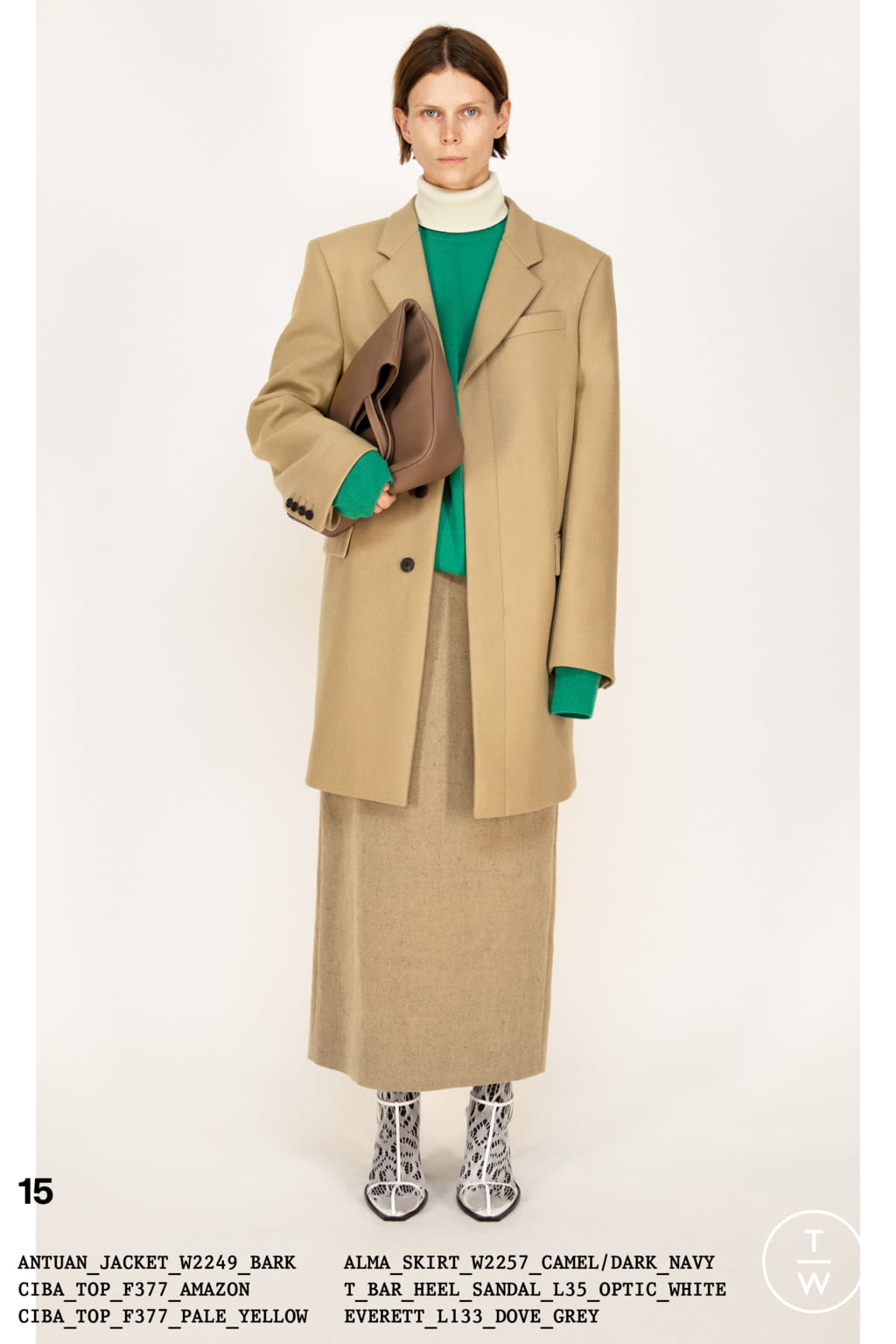
What marked out The Row from other star-founded labels was its rejection of chasing trends. Whereas much of the fashion during that decade embraced logomania and maximalism, The Row pushed in the reverse direction. Muted palettes, exceptional fabrics, and silhouettes that prioritized fit over flash became the brand’s signature. Today, “quiet luxury” describes exactly this kind of discipline, and it is The Row that is widely credited as the label that established the look before the term existed.
Pricing has always reflected the ambition. Ready-to-wear pieces regularly reach the four-figure-plus territory, and the brand’s leather goods sit squarely in the four-figure territory and higher. From the earliest days, this was the row fashion new shoulder bags a calculated positioning — the Olsens intended for The Row to compete with Hermès and Céline, not with contemporary or diffusion lines. Nearly twenty years in, that comparison no longer feels like a stretch.
The Row Bags’s Climb to Prominence
In cases where ready-to-wear forged The Row’s reputation, it was the bags that turned the brand into a full-blown object of widespread fascination. The label’s handbags inhabit a odd yet enviable position in the market: they are simultaneously so pared-back as to seem unbranded and instantly recognizable to the fashion-literate. There is no visible logo on most styles, no hardware calling out the brand’s name. Instead, identity is carried through silhouette, scale, and the particular drape of the leather.
Among the row bags, a small cluster of models have reached almost legendary standing. The Margaux, with its slouchy, unstructured silhouette and distinctive side pleats, turned into one of fashion’s most-searched bags the moment it was seen on Mary-Kate Olsen’s own arm. Buyers hunting for The Row Margaux bag quickly find out that stock is scarce and aftermarket costs regularly outpace what it sold for new, an obvious sign that wanting outstrips having. It’s offered across several sizes and leather types, and every version has its own wait time depending on the particular retailer and time of year.
The tote from The Row remains another cornerstone of the lineup, valued for its construction that is firm yet yielding and its capacity to go from photo sets to daily use without looking out of place in either context. The Row’s totes tend to favor clean lines and minimal hardware, underscoring the brand’s larger philosophy that a bag should be judged on material and construction rather than branding.
For anyone building a row bags overview before making a purchase, it helps to know that the brand structures its accessories differently from the way most luxury labels typically do. The label avoids anointing one “it bag” per season. Rather, a rotating handful of top row bags — Margaux, Sofia, Ascot, and a few others — get periodic revisions in color and size while retaining their original silhouette for years at a time. This is intentional. The Row wants its bags to function like investment pieces, not fleeting seasonal purchases.
Craftsmanship as the Core Selling Point
Every conversation about The Row eventually returns to materials. The brand sources leather from top-tier European tanneries and collaborates with workshops devoted to handbag construction, frequently the very facilities relied on by storied luxury houses. It’s one reason the row bag category carries such steep price tags — the leather alone, even before labor enters the equation, amounts to a considerable expense.
Here, construction details matter enormously. Stitching done by hand, seam lines kept to a minimum, and fittings that are often custom-made rather than catalog-sourced all help create a final piece that feels noticeably different from luxury items made at scale. The leather’s weight and softness are frequently cited—by customers who’ve handled both a Margaux and a similar bag from a more logo-heavy house—as the clearest immediate sign of quality.
This same emphasis on high-grade materials extends to ready-to-wear as well, with cashmere drawn from particular regions and wool blends created alongside Italian mills bolster the brand’s premium positioning. Whether a customer is after a coat, a shoe, or one of the row handbags, the result is a product line where quality control stays consistent throughout.
Navigating a The Row’s Sale Events and Resale Value
Markdowns from The Row are rare, and when a row sale does appear, it is usually limited in scope compared to the markdowns typical of other luxury brands. Because the label controls distribution tightly and produces in relatively limited quantities, oversupply rarely happens, which means there is less inventory that needs to be discounted at season’s end. Anyone hoping for a notable markdown might need to watch select multi-brand retailers for their own sale periods instead of expecting price cuts directly from The Row.
An interesting consequence of this scarcity is robust resale value. Certain bags, particularly the Margaux, have been known to hold or exceed their original retail price on the secondary market. That’s rare in the fashion world, where the majority of bags lose value the instant they leave the shop. It also explains why so many shoppers treat a purchase from The Row as a long-term investment rather than a seasonal indulgence.
For shoppers specifically on the hunt for a row sale, staying patient and persistent tends to pay off better than rushing. Tracking authorized stockists and signing up for notifications at department stores carrying The Row fashion line usually works better than banking on frequent sales through the brand’s own outlets.
Weighing Up The Row’s Iconic Bag Styles
Knowing how the top row bags vary from each other helps pinpoint which style matches a given budget or way of life. The table that follows gives a general side-by-side look based on publicly known traits of each style’s design purpose, without citing exact prices, since those vary by retailer, region, and season.
| Style of Bag | Silhouette | Most Fitting Use | Hardware Finish |
|---|---|---|---|
| Margaux | Soft-structured, easygoing tote | Daily use, fashion-forward styling | Minimal, tonal |
| The Row Classic Tote Bag | Firm-shaped, boxy | Professional settings, travel, formal events | Understated metal accents |
| Sofia | Petite shoulder-carry bag | Evening wear or streamlined daily carry | Concealed clasp |
| Ascot | Structured top-handle | Professional settings, formal events | Sculpted handle, without visible branding |
This kind of row bags overview is useful for narrowing down a first purchase, especially for shoppers new to the brand who may feel overwhelmed by how similar the silhouettes can appear at first glance. The differences, while subtle, are meaningful once a bag is in hand.
À l’aube de 2026: la maison The Row fait le point dans son secteur.
The label, moving toward 2026, shows no signs of loosening its grip on the quiet luxury conversation. Season after season, the brand opts to show at Paris Fashion Week, a deliberate choice positioning it among Europe’s most established houses instead of its American counterparts. The reward of this choice, made years ago, has become evident in both critical esteem and commercial standing.
Distribution remains intentionally narrow. The Row is sold through its own flagship boutiques and a short list of authorized luxury retailers, a strategy that keeps inventory tight and demand high. Shoppers researching where to buy The Row Margaux bag in 2026 will find that authorized stockists remain the safest route, both for authenticity guarantees and for any future resale value the bag might carry.
The brand’s influence on the larger fashion world is at this stage hard to overstate. Since 2006, The Row has maintained a consistency that few of the many brands seeking to mimic its approach — understated palettes, exceptional cloth, logo-free design — have matched. For shoppers putting together a wardrobe centered on longevity rather than passing trends, the label continues to be one of the clearest proofs that minimalism, when well-executed, can be its own form of indulgence.
답글 남기기