The SpinLab AU Take on Online Roulette House Edge Explained
Online roulette house edge explained properly should feel like reading a finance dashboard, not decoding a magic trick. After ten-plus years running FP&A for retail and SaaS outfits, I reckon the cleanest way to think about the 2.7% on European roulette or the 5.26% on American is the same way you’d read a gross-margin line. SpinLab AU leans into that framing, and the interface is built so the maths lands before the marketing does.
How SpinLab makes the maths visible before you place a chip
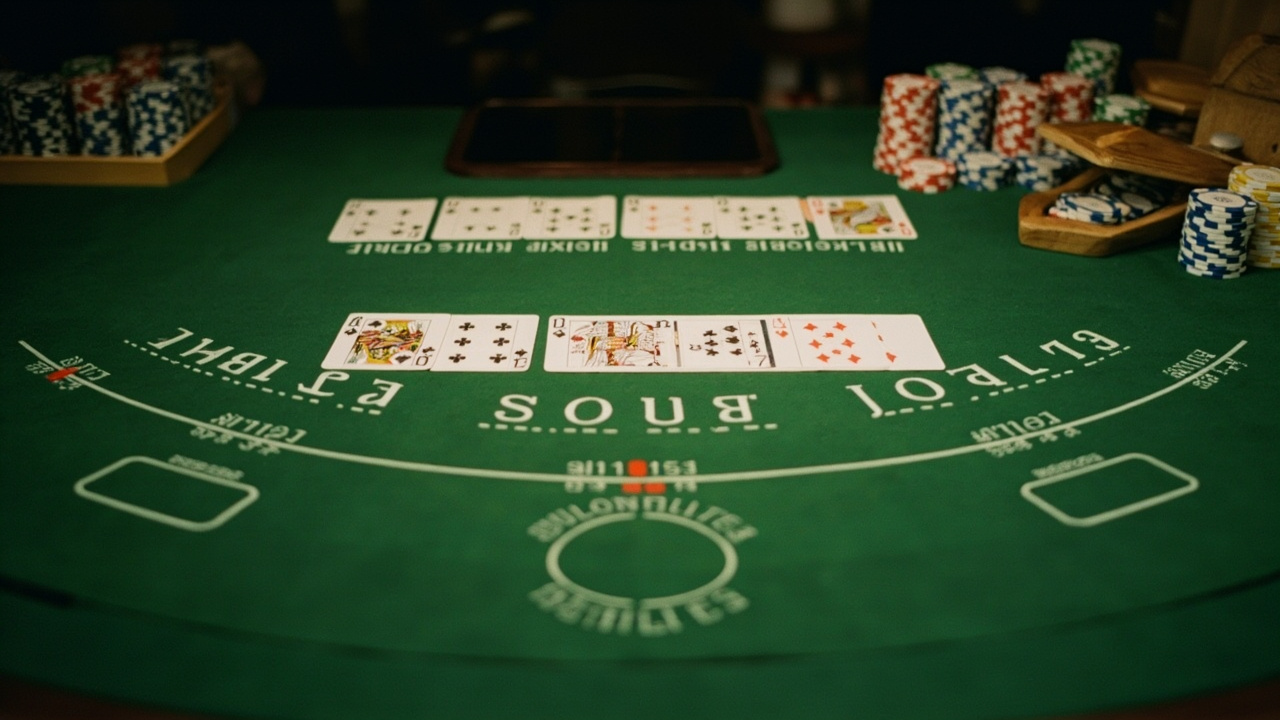
The moment you land on the SpinLab AU lobby, the visual identity tells you what kind of house you’re dealing with. Roulette tiles carry a small edge-percentage badge in the corner, colour-coded green for European (2.7%) and amber for American (5.26%), so the maths reads at a glance rather than hiding inside a help file. Navigation follows a familiar three-tab structure: lobby, game detail, and a dedicated maths-breakdown pane one click from the betting grid – the house edge is the first number you see, not the last thing you scroll for.
| Fact | Detail |
|---|---|
| European edge | 2.7% |
| American edge | 5.26% |
| Default currency | AUD |
| Time zone | AEST/AEDT |
| Content studio | Braddon, ACT |
| Search style | Plain English |
From a finance-and-KPI lens, the interface behaves more like a quarterly dashboard than a casino skin. Each tile shows its cost-of-play line item, and the maths pane works as a footnote that actually gets read. The language stays in plain English: “expected loss per $100 wagered” rather than “RTP variance” or “volatility index,” which is a defo plus for anyone who has tried to reverse-engineer a hit-rate figure from a slot paytable. The localisation layer renders every figure in AUD by default, with a EUR or USD toggle tucked behind a small flag, and the same principle shows up on pokie catalogues elsewhere – including the sort of RTP cards surfaced at https://big-bass-floats-my-boat.com for quick scanning.
Two player-fit scenarios at the SpinLab interface
The strategist with a bankroll spreadsheet wants the maths broken out to the decimal, and SpinLab’s house-edge pane delivers exactly that. Side bets like the five-number line (7.89% on 0-00-1-2-3 in American roulette) sit alongside the main even-money wagers, and a separate tab shows standard deviation per spin so a serious player can model session variance like an FP&A forecast. From a process-improvement standpoint, this is the kind of transparency that turns roulette from a guessing game into a cost-of-acquisition line you can plan around, and the search bar at the top accepts plain-English queries like “best edge outside bets” or “lowest variance” rather than forcing you to scroll for it.
The casual arvo spinner chasing a quick flutter on the train home needs the opposite experience, and the mobile layout threads that needle without burying the maths. The tile badges stay legible on a five-inch screen, AUD appears by default with no currency-conversion pop-ups, and the help icon opens a one-paragraph explainer rather than a 12-page terms sheet. This is the kind of plain-English treatment that respects a player’s arvo rather than testing their patience – and the responsible-gaming panel, time-zone display set to AEST/AEDT, and the Braddon-based content team behind the translations all point to a product built with the Australian reader in mind.
Currency, search, and the everyday localisation layer
The search function is where most casino skins show their cracks, and SpinLab AU treats it as a first-class feature. Typing “roulette edge” surfaces every variant with its percentage in the result list, and predictive suggestions include plain-English phrases like “lowest house edge” or “outside bets explained” rather than forcing you to memorise internal game codes. The filter sidebar defaults to European first, which is a quiet but useful nudge in a market where American wheels still slip into lobbies.
Currency, language, and support hours are stitched together in the account settings. AUD is the default display, with cents to two decimal places on every stake, and the live chat button opens a window labelled in Canberra time (AEST/AEDT). The help centre is written by the Braddon content studio, Australian-English spelling carries through every page, and the responsible-gaming panel sits adjacent to the cashier rather than three menus deep. From a process-transformation angle, that small-print hygiene separates a credible platform from one that merely geo-cloaks an offshore product.
The “she’ll be right” attitude is fine off the punt, but the maths never sleeps – the 2.7% on European or 5.26% on American compounds in the house’s favour every spin. Bonus terms and game-weighting percentages – the kind of detail you’d parse in a NZ casino multiplier guide for cross-Tasman readers – sit on the same screen as the house edge, so nothing requires a pop-up.

For an Australian reader who wants the maths front and centre, SpinLab AU’s house-edge-first interface is a practical luckyelfcasinologin.org fit. Plain-English language, AUD-by-default display, and a working search bar make the cost of play legible, and the Braddon content team keeps the localisation honest. Both scenarios land well: the spreadsheet strategist gets the decimal-level breakdown, and the casual arvo spinner gets a mobile tile surfacing the 2.7% in one glance.
답글 남기기